Introduction to Patrol Torpedoes
The waters of World War II were not just battlegrounds; they were also theaters for innovation and bravery. Among the various vessels that danced upon these tumultuous seas, Patrol Torpedoes—affectionately known as PT boats—stand out as remarkable engineering feats. These swift and stealthy crafts played a vital role in naval warfare, carving out strategies that shifted the tides of conflict.
Imagine sleek silhouettes darting across ocean waves, armed with torpedoes capable of devastating enemy ships. The aura of danger swirled around them as crews embarked on dangerous missions under cover of darkness. Yet, beneath their seemingly simple exteriors lay intricate designs fueled by cutting-edge technology at the time.
Join us as we dive into the captivating world of Patrol Torpedoes—their design brilliance, heroic exploits during WWII, and the legacy they left behind in naval history. Prepare to explore an era where courage met engineering mastery on the high seas!
The Design and Engineering behind a Patrol Torpedo
The design of a Patrol Torpedo (PT) boat was revolutionary for its time. Crafted with a focus on speed and agility, these vessels were built to outmaneuver larger enemy ships.
Lightweight materials came into play, allowing for quick acceleration and rapid adjustments during combat. The hull shape was sleek, designed specifically to minimize drag while maximizing stability in rough waters.
Engineers implemented powerful twin engines that propelled the boats at impressive speeds of up to 40 knots. This swift capability made them formidable opponents against slower naval assets.
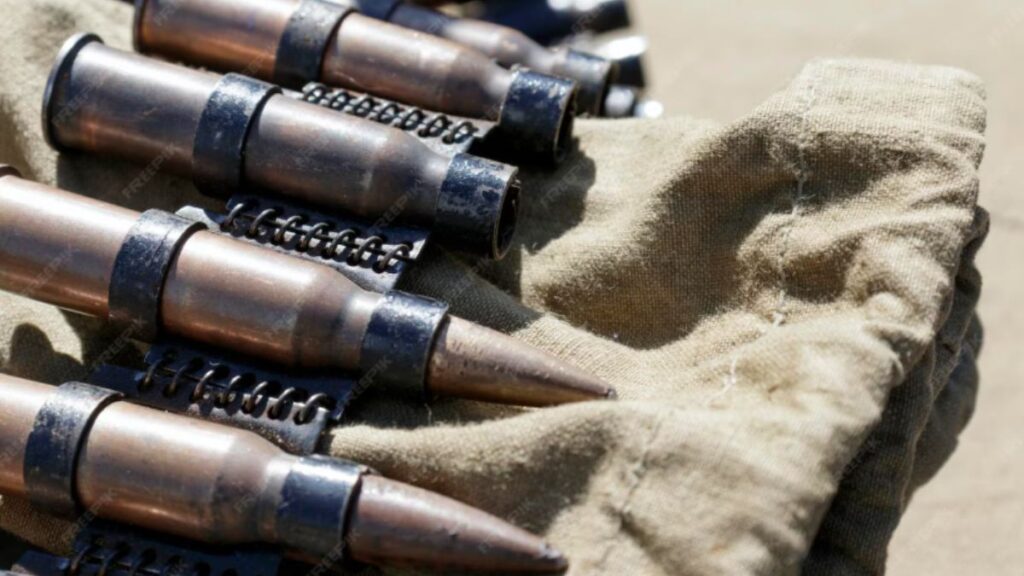
Armament choices also reflected innovative thinking. PT boats carried torpedoes as their primary weapon but often included machine guns for close-range engagements.
Each element of the design contributed to creating an efficient platform tailored for guerrilla-style warfare at sea, highlighting both ingenuity and practicality in military engineering during World War II.
The Role of Patrol Torpedoes in WWII
Patrol torpedoes played a pivotal role in World War II, serving as nimble and effective vessels on the high seas. Designed for speed and stealth, these boats could outmaneuver larger ships while delivering devastating strikes.
They were instrumental in combatting enemy naval forces across various theaters of war. The ability to launch torpedoes from close range made them particularly lethal against unsuspecting targets. Their agility allowed them to dart into defensive perimeters and retreat before counterattacks could be mounted.
PT boats also took on other critical missions, including reconnaissance and rescue operations. Crews risked their lives not just attacking but gathering intelligence that shaped broader military strategies.
These daring little vessels became symbols of ingenuity and courage. They turned the tide in many engagements where conventional battleships faltered under pressure from enemy firepower.
Notable PT Boats and their Contributions
Notable PT boats played pivotal roles during World War II, showcasing their agility and power. The most famous among them is PT-109, commanded by John F. Kennedy. This boat became legendary after its dramatic sinking in the Solomon Islands.
Another significant vessel was PT-73, known for its daring missions against larger enemy ships. Its crew displayed exceptional bravery under fire, contributing to vital victories in the Pacific theater.
PT-205 also stands out as it participated in crucial operations along the coastline of France during D-Day. These boats excelled at hit-and-run tactics that caught opponents off guard.
Each of these vessels exemplified innovation and resilience. They were not just wooden crafts; they embodied a spirit of defiance against much larger foes while changing naval warfare’s dynamics forever.
Challenges Faced by PT Boat Crews
Operating a Patrol Torpedo (PT) boat was no walk in the park. Crews faced harsh conditions on the open seas. The boats themselves, while agile, were often vulnerable to enemy fire.
Night operations added another layer of complexity. Navigating through darkness required immense skill and teamwork. A single miscalculation could lead to disaster.
Moreover, PT boats operated with limited resources. Supplies and ammunition were frequently scarce, putting pressure on crew members to make every shot count.
The psychological toll was significant too. Constantly engaging in high-stakes missions led to fatigue and stress among sailors who knew they could be targeted at any moment.
Weather played its own role in complicating missions as well—storms could render even the most experienced crews helpless against nature’s fury.
Each challenge demanded unwavering resilience from PT boat crews, forging them into some of WWII’s bravest naval warriors.
Legacy of Patrol Torpedoes in Naval Warfare
The legacy of patrol torpedoes extends far beyond their operational years in World War II. These vessels redefined naval strategy with their speed and agility, proving that smaller ships could deliver significant blows to larger battleships.
Their innovative design influenced future naval engineering. The emphasis on stealth and maneuverability became paramount for modern warships. Many features found in today’s fast attack crafts can trace their roots back to the PT boat era.
Moreover, the tactics developed during WWII shaped asymmetric warfare strategies seen in various conflicts since then. Nations recognized the value of hit-and-run engagements, utilizing smaller fleets to challenge superior forces effectively.
Patrol torpedoes also fostered camaraderie among crews, creating a unique culture within naval ranks. This bond inspired countless stories and legends that still resonate in military history circles today, ensuring that the spirit of these remarkable boats endures.
Conclusion
Patrol torpedoes played a pivotal role during World War II, showcasing the ingenuity and resourcefulness of naval engineering. These vessels were not just boats; they embodied strategy, speed, and firepower in one streamlined design. Their effectiveness on the battlefield transformed how naval engagements occurred.
The legacy of patrol torpedoes continues to influence modern military tactics and ship designs today. They represent an era where innovation met necessity, leaving an indelible mark on maritime history. Understanding their impact helps us appreciate the complexities of warfare and technological advancement throughout time.
As we reflect on these remarkable machines, it becomes clear that patrol torpedoes are more than mere relics—they are symbols of courage and resilience in some of humanity’s darkest hours. The stories behind them remind us that even in times of conflict, creativity can shine through adversity.
The Anatomy of a Patrol Torpedo: Engineering Marvels of WWII
Introduction to Patrol Torpedoes
The Patrol Torpedo (PT) boat, a swift and stealthy vessel from World War II, has captivated naval enthusiasts and historians alike. These small but powerful crafts played a crucial role in the war’s maritime battles. With their sleek designs and cutting-edge technology for the time, PT boats were engineered to outmaneuver larger enemy ships while delivering devastating strikes with torpedoes.
Imagine a fleet of these agile vessels darting across vast ocean expanses, employing hit-and-run tactics that kept enemy forces on high alert. The allure of the PT boat lies not only in its military prowess but also in its innovative design and the brave crews who operated them. Join us as we dive into the anatomy of these engineering marvels, exploring their significant contributions during WWII and beyond.