
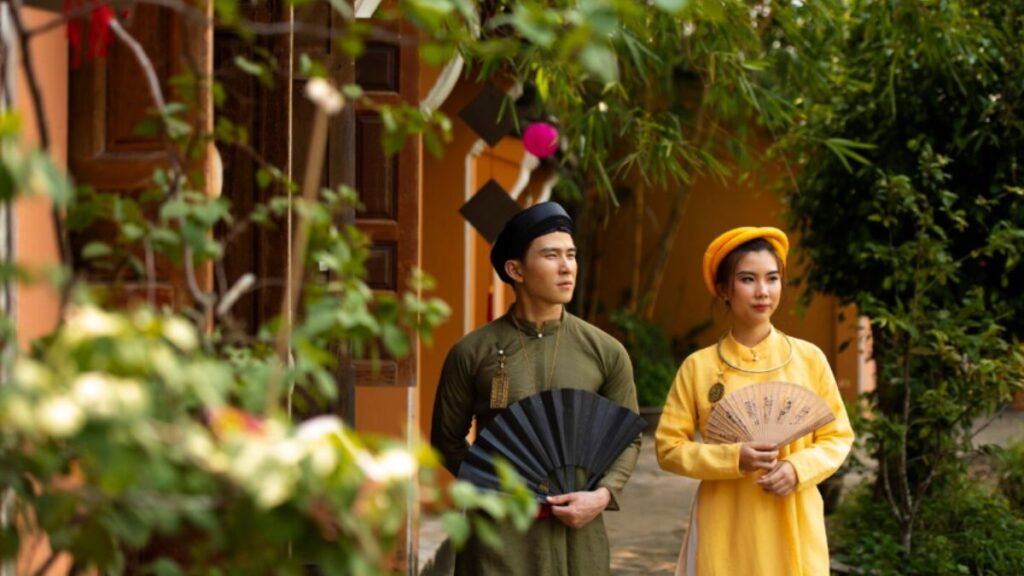
Introduction to Xuebaotou and its meaning
In the vibrant tapestry of modern Chinese culture, few symbols stand out quite like Xuebaotou. This unique term embodies more than just a hairstyle; it represents a cultural phenomenon deeply rooted in the educational landscape of China. Imagine students sporting their iconic “study hats,” showcasing not only their commitment to academics but also an intriguing blend of tradition and contemporary values. As we delve into the world of Xuebaotou, we’ll explore its historical significance, its role within education, and how this distinctive symbol impacts traditional beliefs while shaping modern society. Join us on this journey to uncover what makes Xuebaotou so much more than a mere trend—it’s a reflection of aspirations and identity in today’s China.
Historical background of Xuebaotou
Xuebaotou, often translated as “study hat,” has deep roots in Chinese culture. This distinctive headwear dates back to the Ming dynasty when it symbolized academic achievement and scholarly pursuits.
Originally worn by scholars during examinations, the Xuebaotou represented a commitment to education and learning. It became a staple for those aiming to pass imperial exams, which held immense prestige.
As time progressed, this hat transcended its practical purpose. It evolved into an emblem of intellectual status within society. The design features multiple layers that reflect both tradition and elegance.
Not only did the Xuebaotou adorn the heads of students, but it also served as a reminder of historical values tied to knowledge and wisdom. Each thread woven into its fabric tells tales of dedication and ambition across generations.
The role of Xuebaotou in Chinese education system
Xuebaotou has carved a unique niche within the Chinese education system. It symbolizes academic excellence and diligence, often celebrated in schools as a badge of honor for top students. This term translates to “study cap,” denoting the traditional headgear worn by scholars during examinations.
In contemporary classrooms, Xuebaotou serves more than just an emblem; it motivates students to strive for high marks. Schools frequently use this symbol in awards and recognition ceremonies, fostering competitive spirit among peers.
Moreover, Xuebaotou reflects societal expectations surrounding education in China. Parents encourage their children to embody its values—dedication and hard work—to secure future success. This cultural phenomenon not only shapes individual aspirations but also reinforces collective values around learning.
Through various educational initiatives and campaigns, the significance of Xuebaotou continues to evolve while remaining deeply rooted in China’s academic culture.
Impact on the traditional values and beliefs
Xuebaotou has woven itself into the fabric of traditional Chinese values, reshaping how success is perceived.
Historically, education held a sacred place in society. The intense focus on academic achievement has morphed into a cultural phenomenon with Xuebaotou at its core. This symbolizes not just intelligence but also hard work and perseverance.
Parents now view this trend as vital for their children’s futures. They push for excellence in academics, fostering an environment that prioritizes study over leisure.
However, this shift raises concerns about balance. The pressure to excel academically may overshadow other essential life skills like creativity and emotional intelligence.
The pursuit of Xuebaotou can lead to societal expectations that challenge long-held beliefs about individual worth beyond grades or test scores. As such, it continues to influence what it means to succeed in China today while igniting debates on educational philosophies and mental health among youth.
Xuebaotou’s influence on modern Chinese society
Xuebaotou, often regarded as a cultural emblem, has permeated various aspects of modern Chinese society. This unique hairstyle represents ambition and intelligence, resonating with students who strive for excellence in their academic pursuits.
In urban environments, Xuebaotou is more than just a look; it’s a statement. Young people adopt this style to symbolize their dedication to education. It fosters a sense of community among peers who share similar goals.
Social media platforms amplify its influence further. Viral trends showcase Xuebaotou as not only fashionable but also aspirational. Influencers promote the hairstyle while emphasizing hard work and perseverance.
Businesses have caught on too. Schools and educational institutions use Xuebaotou imagery in marketing campaigns aimed at attracting ambitious students.
This blend of tradition and modernity makes Xuebaotou an enduring symbol within contemporary China’s landscape, inspiring many to embrace the pursuit of knowledge while celebrating individual expression.
Criticisms and controversies surrounding Xuebaotou
The phenomenon of Xuebaotou has not escaped criticism. Some argue it fosters unhealthy competition among students. The pressure to conform can lead to excessive stress and anxiety.
Furthermore, detractors claim that this trend shifts focus from well-rounded education to sheer academic performance. Creativity and critical thinking often take a backseat when achievements are measured by grades alone.
Cultural purists express concern about how Xuebaotou influences traditional values in Chinese society. They believe it diminishes the importance of moral education, community involvement, and personal character development.
Moreover, there is growing discontent regarding parental expectations tied to this cultural symbol. Families may enforce unrealistic ambitions on children, which can strain relationships and undermine mental health.
These criticisms highlight the need for a balanced approach within the educational framework while navigating the complexities of modern societal pressures surrounding Xuebaotou.
Conclusion: The future of Xuebaotou in Chinese culture
The future of Xuebaotou in Chinese culture appears to be a complex tapestry woven from tradition and modernity. As China continues to evolve, so does the significance of this cultural symbol. While it remains a source of pride for many students and families, there are shifts occurring within its perception.
With the rise of new educational paradigms and more holistic approaches to learning, Xuebaotou may adapt or transform into something that balances academic excellence with emotional well-being. The younger generation is increasingly questioning traditional values while still appreciating their roots. This could lead to a reimagining of what it means to excel academically.
As society grapples with rapid changes in technology and global perspectives, the relevance of Xuebaotou will likely face scrutiny but also opportunities for growth. It may serve as both an emblematic reminder of perseverance in education and as a catalyst for discussions on how best to foster talent in the 21st century.
Whether as an enduring symbol or an evolving concept, Xuebaotou will continue to shape conversations around education, success, and cultural identity in modern China. Its journey reflects not just individual aspirations but also collective societal transformations that are ongoing today.