
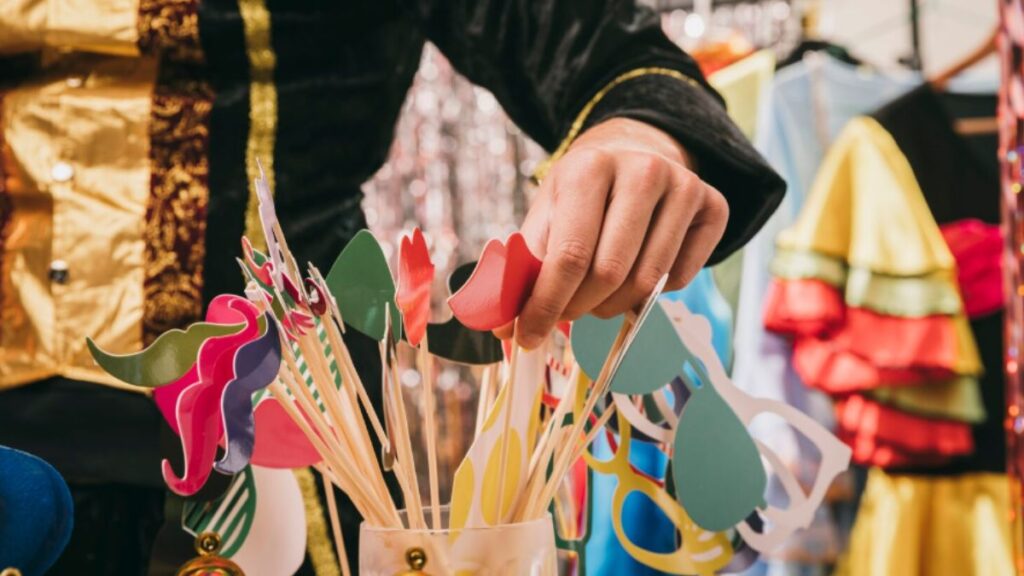
Introduction to Döziv and its Origins
Döziv is more than just a word; it’s a vibrant tapestry of culture, history, and community spirit. Rooted in traditions that date back centuries, this celebration has evolved into a cherished experience for many around the globe. With its unique customs and lively festivities, Döziv serves as a bridge connecting generations while embracing modern influences. Whether you’re familiar with its origins or new to the concept, there’s something undeniably captivating about how Döziv brings people together. Join us as we explore the rich layers of Döziv—from its traditional roots to contemporary adaptations—and discover why this beloved tradition continues to resonate today.
The Role of Döziv in Traditional Culture
Döziv holds a cherished place in the tapestry of traditional culture. It symbolizes community, unity, and shared values among generations.
Historically, Döziv served as an integral part of local festivals and rituals. Families would gather to celebrate milestones or seasonal transitions. These gatherings strengthened bonds within communities.
Through music, dance, and storytelling associated with Döziv, oral traditions are passed down. Elders share wisdom while younger generations participate actively in these vibrant expressions.
The preparation for Döziv events often involves intricate craftsmanship. Artisans create decorations that reflect regional identities and heritage.
Moreover, participation in Döziv fosters a sense of belonging. It connects individuals not just to their roots but also to one another through collective experiences steeped in tradition.
Modern Adaptations and Twists on Döziv
In recent years, Döziv has seen exciting adaptations that blend tradition with contemporary flair. Chefs and home cooks alike are experimenting with flavors, incorporating local ingredients to create unique renditions of classic dishes.
Social media plays a pivotal role in this transformation. Instagram feeds overflow with vibrant images showcasing modern takes on Döziv, attracting a younger audience eager to explore its rich heritage while adding their personal touch.
Festivals embracing these new trends often feature fusion recipes alongside traditional offerings. This juxtaposition enhances the celebratory atmosphere and sparks conversations about cultural evolution.
At the same time, workshops encourage creativity by inviting participants to design their own versions of Döziv. These interactive experiences foster connection among diverse communities, bridging generations through shared culinary journeys.
The result is a harmonious balance between honoring age-old customs and welcoming innovative expressions of identity within the world of Döziv.
Impact of Tourism on Döziv Celebrations
Tourism has transformed the way Döziv celebrations are experienced. As visitors flock to witness this vibrant tradition, local communities have adapted their festivities to accommodate a growing audience.
New elements often blend seamlessly with authentic practices. This creates a unique experience for both locals and tourists alike. Traditional music and dance may now feature modern influences, capturing the attention of younger generations.
While tourism can enhance visibility, it also poses challenges. Authenticity must be carefully preserved amidst commercialization pressures. Many organizers strive to maintain core cultural values while introducing innovative aspects that appeal to outsiders.
The influx of tourists contributes economically as well, allowing communities to invest in preserving Döziv traditions. Local artisans benefit from increased demand for handmade crafts associated with these celebrations, enriching the overall experience for everyone involved.
Preserving the Authenticity of Döziv while Embracing Change
Preserving the authenticity of Döziv is essential for maintaining its cultural essence. Traditional rituals, songs, and dances are at the heart of this celebration. They carry stories from generations past.
However, change is inevitable. As societies evolve, so do their traditions. Embracing modern influences can breathe new life into Döziv while honoring its roots. Local artists infuse contemporary elements into traditional performances, creating a vibrant tapestry that resonates with younger audiences.
Community involvement plays a crucial role in this balance. Workshops and educational programs foster appreciation for historical practices while encouraging innovation. This ensures that everyone understands the significance behind each element of Döziv.
Social media also aids in preserving traditions by sharing experiences globally. People connect over shared memories, allowing them to celebrate both heritage and modernity simultaneously—making Döziv relevant today without losing sight of its origins.
Döziv Festivals Around the World
Döziv festivals have taken on various forms around the globe, each reflecting local customs and flavors. From vibrant street parades in urban centers to intimate gatherings in rural villages, these celebrations capture the spirit of community.
In Eastern Europe, Döziv festivities often feature traditional music and dance. Locals don historical costumes, immersing themselves in their cultural heritage. The air fills with laughter as families share dishes that have been passed down through generations.
Meanwhile, places like North America embrace a fusion of cultures during Döziv events. Here, food trucks offer modern twists on classic recipes alongside live performances that blend different musical styles.
Asia has also joined the celebration with its unique interpretations of Döziv traditions. Colorful lanterns light up streets as communities come together to honor both the past and present. Each festival serves not only as entertainment but also as a reminder of shared values and connections across borders.
Conclusion: Why Döziv Continues to Be a Beloved Tradition
Döziv holds a special place in the hearts of many, acting not just as a celebration but also as a vital link to cultural heritage. This tradition embodies the spirit of community, bringing people together across generations. The rituals and practices surrounding Döziv have evolved over time yet remain grounded in their original significance.
Today, Döziv is more than just an event; it’s a symbol of resilience and adaptability. As modern adaptations make their way into celebrations, they often enhance rather than overshadow traditional values. People find joy in blending old customs with new ideas, creating unique experiences that resonate with both young and old.
Tourism has played its part too, introducing Döziv to wider audiences eager to engage with different cultures. Yet this exposure comes with the responsibility of preserving authenticity while welcoming innovation. Communities continue to celebrate Döziv passionately, ensuring that its essence remains intact even amid changing times.
Festivals around the world showcase how Döziv can transcend borders while staying true to its roots. Each celebration tells stories filled with laughter, memory-making, and shared traditions that unite us all.
The enduring love for Döziv lies within its ability to adapt without losing sight of what truly matters: connection among people and reverence for cultural history. As long as communities cherish these bonds and pass them down through generations, Döziv will undoubtedly thrive for years to come.