
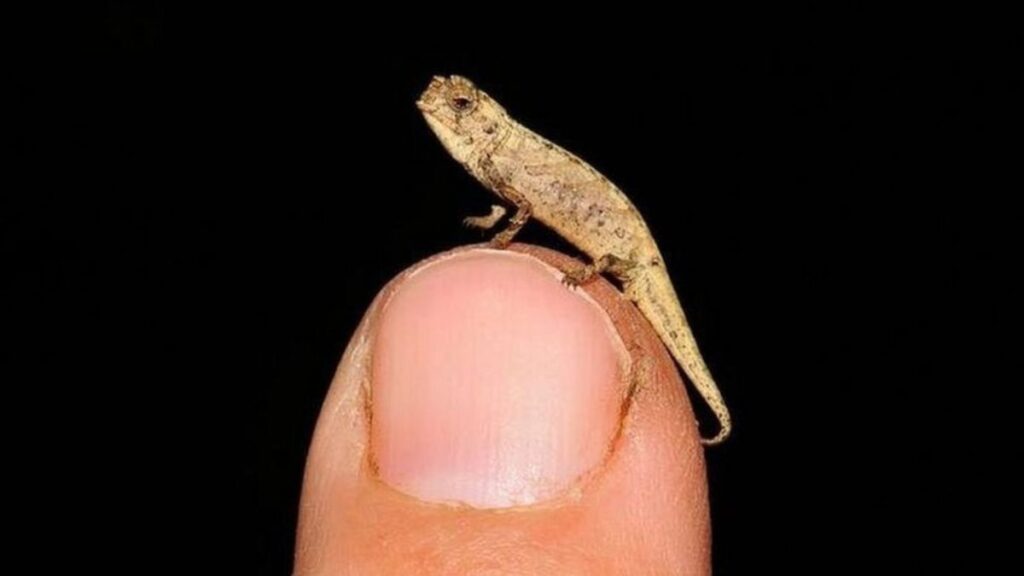
Introduction to crocolini and their unique characteristics
Welcome to the captivating world of crocolini, nature’s tiny reptiles that defy expectations. These diminutive creatures may be small in size, but they pack a punch when it comes to unique characteristics and fascinating behaviors. With their endearing features and intriguing lifestyles, crocolini have captured the attention of researchers and wildlife enthusiasts alike. Let’s dive into this enchanting realm where these miniature reptiles roam, exploring everything from their habitats to their interactions with other species. You might just discover why these little wonders deserve a special place in our hearts—and our efforts for conservation!
Types of crocolini and their habitats
Crocolini, a lesser-known subgroup of reptiles, showcases remarkable diversity. These tiny creatures can be found in various habitats across the globe.
One prominent type is the freshwater crocolini, which thrives in rivers and lakes. They prefer shaded areas with ample vegetation for cover and hunting opportunities.
Another variant, known as coastal crocolini, dwells near brackish waters where they navigate between land and sea with ease. Their adaptability to saltwater environments makes them unique among their peers.
Terrestrial species often inhabit forests or grasslands. These crocolini are agile climbers, using trees for both shelter and ambush tactics while hunting small prey.
Each type of crocolini demonstrates fascinating evolutionary traits shaped by its environment. Their varied habitats contribute to their survival strategies and behaviors—making them truly captivating members of the reptilian world.
Physical features and adaptations of crocolini
Crocolini exhibit a range of intriguing physical features tailored to their environments. These tiny reptiles typically possess elongated bodies, allowing them to navigate through dense vegetation and water with ease.
Their skin often displays vibrant colors and patterns that serve as camouflage. This adaptation helps them blend into their surroundings, making it difficult for predators to spot them.
Equipped with powerful jaws lined with sharp teeth, crocolini are adept hunters. Their bite is crucial for capturing small prey like insects or fish.
Additionally, they have specialized limbs that enable agile movement on both land and in water. Some species even feature webbed feet which enhance swimming efficiency.
These remarkable adaptations not only ensure survival but also contribute to the rich biodiversity found within their habitats. Each unique trait plays a vital role in how crocolini thrive in challenging conditions.
Crocolini behavior and social structure
Crocolini exhibit intriguing behaviors that set them apart from larger reptiles. These tiny creatures are often solitary, relying on stealth and camouflage to avoid predators.
Communication among crocolini is subtle yet fascinating. They use body language, such as tail movements and head bobs, to signal each other. Some species even produce low-frequency sounds during mating rituals or territorial disputes.
Territorial behavior can be quite pronounced in crocolini. Males often establish small territories that they defend vigorously against rivals. This competition helps ensure the healthiest genes are passed on to future generations.
In terms of social structure, these reptiles tend not to form tight-knit groups like some larger species do. Instead, interactions between individuals can be brief and opportunistic. Finding a mate or sharing basking spots may prompt temporary associations.
Despite their size, crocolini play an essential role in their ecosystems, influencing both prey populations and plant life through their unique behaviors.
Interactions with other species
Crocolini have a fascinating role in their ecosystems. These tiny reptiles often coexist with various species, creating intricate webs of interaction.
In many habitats, crocolini are prey for larger animals. Birds of prey and some mammals see them as tasty snacks. This predation helps to regulate the population of these small reptiles.
On the flip side, crocolini also play a crucial role in pest control. They consume insects and small rodents, keeping those populations in check. Their hunting habits support the health of their environments.
Additionally, these reptiles sometimes engage in symbiotic relationships with other creatures. For example, they may share burrows with certain amphibians or use plants as camouflage alongside insects that benefit from mutual protection.
Such interactions highlight the importance of crocolini within their ecological niches and emphasize how interconnected life truly is in nature’s balance.
Threats and conservation efforts
Crocolini face numerous threats that jeopardize their survival. Habitat loss remains a significant concern as urbanization and agriculture encroach on their natural environments. Wetlands, where many crocolini thrive, are particularly vulnerable.
Pollution poses another serious risk. Contaminated water sources can lead to health issues for these tiny reptiles and disrupt the delicate ecosystems they inhabit. Additionally, climate change is altering habitats, making it harder for crocolini to find food and shelter.
Conservation efforts are essential in combating these challenges. Organizations worldwide work tirelessly to protect wetland areas crucial for crocolini populations. Education initiatives aim to raise awareness about the importance of preserving these unique reptiles.
Researchers also focus on studying crocolini behavior and ecology to inform better conservation strategies. Engaging local communities in protective measures fosters a sense of responsibility towards these remarkable creatures and their environments.
The importance of preserving these tiny reptiles
Crocolini may be small, but their role in ecosystems is substantial. These tiny reptiles contribute to the balance of their habitats by controlling insect populations and serving as prey for larger animals.
Preserving crocolini helps maintain biodiversity. Each species plays a unique part in its environment, influencing food webs and habitat health. Loss of these reptiles could lead to unforeseen consequences.
Moreover, crocolini are indicators of environmental change. Their presence reflects the overall health of ecosystems. By protecting them, we also safeguard countless other species that share their habitat.
Education about crocolini can foster appreciation for all reptiles and ignite conservation efforts. Awareness encourages communities to take action against habitat destruction and climate change, ensuring these fascinating creatures continue to thrive in our world.
Every effort counts when it comes to preserving nature’s delicate balance; supporting initiatives aimed at saving crocolini enriches both wildlife and human lives alike.
Conclusion
The tiny world of crocolini is a marvel that deserves our attention. These miniature reptiles showcase an incredible array of adaptations and behaviors, offering insights into the complexities of evolution and ecology. Their unique characteristics set them apart in the reptile kingdom, making them fascinating subjects for study.
As we learn more about their habitats and social structures, it becomes clear just how critical they are to maintaining ecological balance. However, like many species around the globe, crocolini face significant threats from habitat destruction and climate change. Conservation efforts play a vital role in ensuring their survival.
Preserving these charming creatures not only safeguards biodiversity but also enriches our understanding of nature’s wonders. The delicate balance they maintain within their ecosystems reminds us of the interconnectedness between species and environments.
While we may often overlook such small animals, recognizing their importance can inspire greater appreciation for all forms of life on Earth. With continued awareness and action, there is hope for the future of crocolini and countless other species sharing our planet.




![Miuzo: Revolutionizing [Specific Aspect] – Here’s How!](https://bloommarketnc.com/wp-content/uploads/2026/02/Miuzo-150x150.jpg)