Introduction to Nova Scola and its mission
Imagine a learning environment where students thrive through collaboration rather than competition. Welcome to Nova Scola, an innovative educational platform that is redefining the landscape of education. Its mission? To cultivate a community where knowledge is shared, creativity flourishes, and every voice matters.
At Nova Scola, students are not just passive recipients of information but active participants in their own learning journey. This approach shifts the focus from traditional rote memorization to meaningful interactions and real-world problem-solving. The goal is simple: empower learners to work together, think critically, and develop skills essential for success in today’s world.
Join us as we explore how Nova Scola stands out from conventional methods and why it represents the future of collaborative learning. Get ready to discover the transformative power of this dynamic educational model!
How Nova Scola is different from traditional education methods
Nova Scola revolutionizes education by stepping away from outdated, rigid structures. Traditional classrooms often focus on standardized testing and rote memorization. In contrast, Nova Scola emphasizes a more dynamic approach.
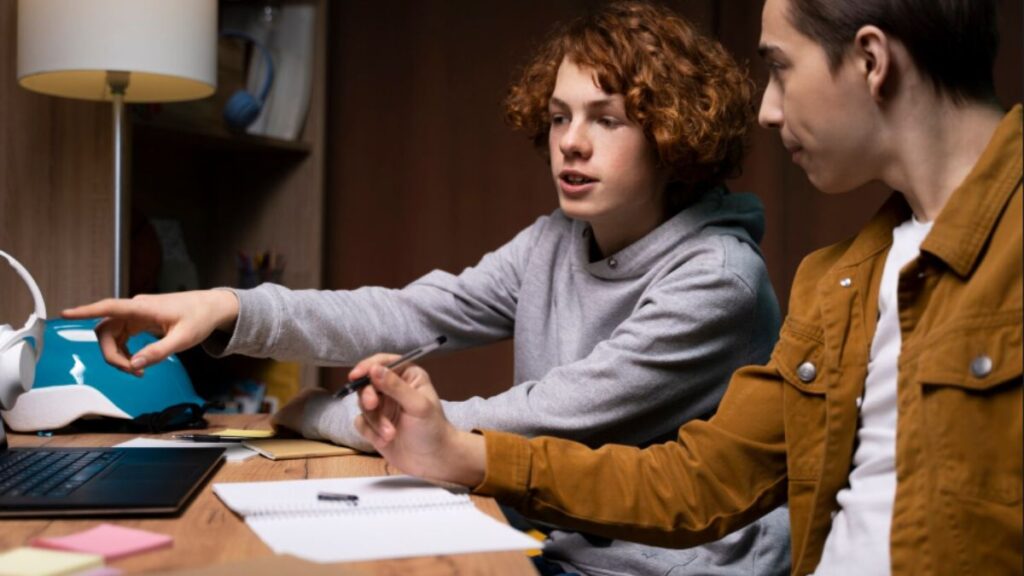
Here, students engage in collaborative projects that promote critical thinking. Instead of passive learning, they participate actively in discussions and group activities. This hands-on experience fosters deeper understanding.
Another key difference is the flexibility in learning pace and style. While traditional methods impose one-size-fits-all teaching strategies, Nova Scola tailors its approach to individual needs. Students can explore subjects that ignite their passion while working with peers who share similar interests.
The environment itself is designed for interaction—open spaces replace rows of desks. This layout encourages communication and collaboration among students, creating a vibrant community where ideas flow freely and creativity thrives.
Benefits of collaborative learning for students
Collaborative learning fosters an environment where students thrive together. By working in groups, learners develop vital communication skills. They practice articulating thoughts clearly and listening actively.
This method also enhances critical thinking. When faced with diverse perspectives, students learn to evaluate ideas critically. They gain the confidence to express their opinions while respecting others’ viewpoints.
Another significant advantage is the promotion of social interaction. Building relationships within a collaborative setting helps reduce anxiety and increases engagement. Students feel more connected and supported by their peers.
Moreover, collaborative learning encourages accountability among group members. Each participant contributes to shared goals, instilling a sense of responsibility for one another’s success.
This approach nurtures essential life skills that prepare students for future challenges in both academic and professional settings.
Success stories from students who have experienced Nova Scola’s approach
Emma, a high school student, struggled with traditional learning methods. After joining Nova Scola, she found her voice in group projects. Collaborating with peers ignited her passion for science. Together, they explored real-world problems and created innovative solutions.
Then there’s Jake, who always felt overwhelmed by lectures. At Nova Scola, he thrived through hands-on activities and discussions. His confidence soared as he learned to express his ideas freely in a supportive environment.
Ava discovered the power of collaboration while working on community service initiatives at Nova Scola. She connected with diverse classmates and became inspired to make a difference beyond the classroom walls.
These stories highlight how students flourish when given the opportunity to engage collaboratively. They represent just a fraction of what is possible within this transformative educational approach that prioritizes teamwork and creativity over rote memorization.
The role of technology in collaborative learning at Nova Scola
At Nova Scola, technology acts as a catalyst for collaborative learning. It transforms traditional classroom dynamics into interactive experiences that promote engagement and creativity.
Digital tools enable students to connect seamlessly with peers, regardless of location. Virtual classrooms allow them to collaborate on projects in real time, fostering teamwork skills crucial for future success.
Moreover, educational platforms provide access to diverse resources, enhancing the learning experience. Students can explore various subjects together, sharing insights and perspectives along the way.
Technology also personalizes education. Adaptive learning software tailors content based on individual needs while still encouraging group work. This balance nurtures both independence and collaboration among learners.
The integration of tech at Nova Scola ensures that every student feels empowered to contribute meaningfully within their teams. With these innovative approaches, students develop not only knowledge but essential life skills in a digital age.
The importance of diversity and inclusivity in collaborative learning
Diversity and inclusivity are cornerstones of effective collaborative learning. When students from varied backgrounds come together, they bring unique perspectives. This enhances problem-solving and creativity.
In a diverse environment, learners challenge each other’s viewpoints. They learn to respect differences while finding common ground. Such interactions foster empathy and understanding, essential skills for the real world.
Inclusivity ensures that every voice is heard. Students feel valued when their contributions matter. This boosts confidence and encourages participation among all group members.
Additionally, exposure to different cultures prepares students for global citizenship. It equips them with the tools needed in an increasingly interconnected society.
Embracing diversity in collaborative settings enriches the educational experience, making it more relatable and effective for everyone involved at Nova Scola.
Challenges and solutions for implementing collaborative learning in traditional schools
Implementing collaborative learning in traditional schools presents several challenges. One major hurdle is the resistance to change among educators and administrators who are used to conventional teaching methods. Shifting mindsets takes time and effort.
Another challenge lies in classroom management. Collaborative activities can sometimes lead to chaos if not structured well. Teachers need to adopt new strategies that foster teamwork while maintaining order.
Resource limitations also play a significant role. Many schools lack the technology or materials necessary for effective collaboration, making it difficult for students to engage fully.
To address these issues, professional development programs are essential. Training teachers on collaborative techniques can ease their transition into this new paradigm.
Additionally, investing in technology can enhance student engagement and provide tools that facilitate group work effectively. Schools must embrace flexibility and creativity when addressing these barriers, ensuring every student thrives together.
Conclusion: The impact of Nova Scola on the future of
The impact of Nova Scola on the future of education is profound and far-reaching. Its innovative approach to collaborative learning sets a new standard, encouraging students to engage with one another in meaningful ways. By fostering an environment that prioritizes teamwork, communication, and mutual respect, Nova Scola is shaping well-rounded individuals who are prepared for real-world challenges.
As more educational institutions recognize the importance of collaboration and inclusivity, we can anticipate a shift in how knowledge is imparted. With technology playing an integral role in this transformation, the possibilities for interactive learning experiences will continue to expand.
Students from diverse backgrounds benefit immensely within this framework. They not only learn academic concepts but also build essential life skills like leadership and empathy. Such dimensions are critical as they prepare students for diverse workplaces where collaboration thrives.
Nova Scola stands at the forefront of educational evolution—a beacon guiding us toward a future where every learner feels valued and empowered. As its influence grows, so too does our understanding that education isn’t just about individual achievement; it’s about building communities capable of driving change together.




![Miuzo: Revolutionizing [Specific Aspect] – Here’s How!](https://bloommarketnc.com/wp-content/uploads/2026/02/Miuzo-150x150.jpg)