
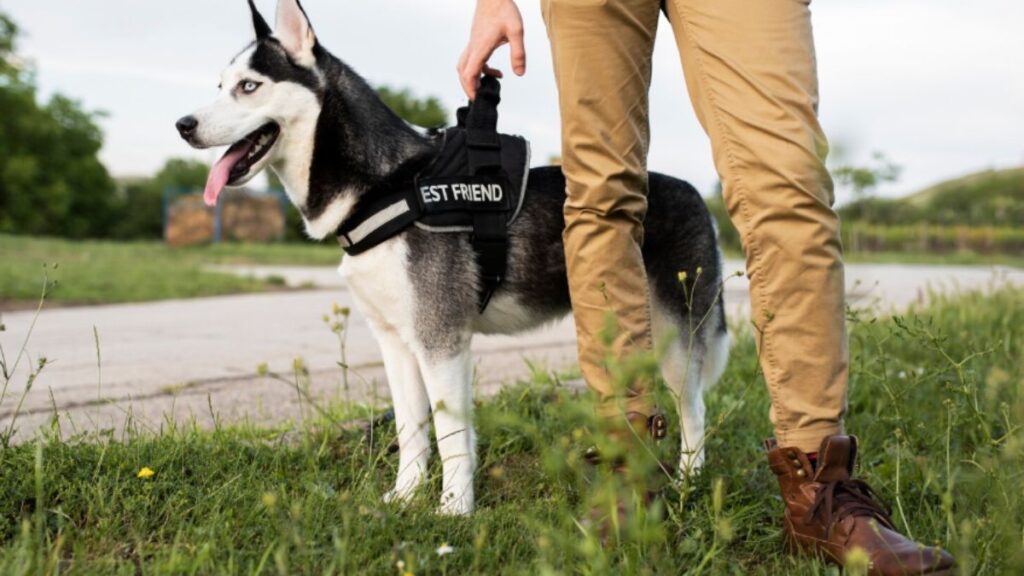
Every dog owner knows that our furry friends can be as adventurous as they are lovable. But with great curiosity comes the need for safety measures. A proper dog in collar is essential for every pet parent who wants to keep their canine companion secure while allowing them a taste of freedom. Not only does a collar serve practical purposes, but it also showcases your dog’s personality. From vibrant colors to unique designs, the right collar can make your pup stand out during walks at the park or trips around town.
But beyond aesthetics, there’s an important responsibility tied to choosing and using a dog in collar correctly. It’s not just about fashion; it’s about safeguarding your pet’s well-being and ensuring they’re easily identifiable if they wander off. So let’s dive into why having a quality collar is crucial for your dog’s safety and how you can select and utilize one effectively!
The Importance of a Dog in Collar
A dog in collar is more than just a fashion statement; it’s a vital safety tool. Collars provide an easy way to identify your pet and ensure they can be returned home if lost.
When out on walks or adventures, collars allow you to attach leashes securely, keeping your pup close by. This control can prevent accidents or potential injuries during outings.
Additionally, most collars have tags that display essential information like your phone number. In case of separation, this small detail can lead to quick reunions.
Beyond identification and control, collars help establish routine. Your dog associates their collar with going outside for walks or playtime, creating excitement around these activities.
The importance of a proper dog in collar cannot be overstated when it comes to maintaining safety and fostering connection between you and your furry friend.
Choosing the Right Collar for Your Dog
Selecting the right collar for your dog is essential for their comfort and safety. Consider your dog’s size, breed, and activity level. A small chihuahua needs a different style compared to a large Labrador.
Look into materials too. Nylon collars are lightweight and affordable, while leather offers durability and style but may cost more.
Think about the collar’s width as well; wider collars distribute pressure better on larger breeds, reducing strain on their necks during walks or playtime.
Adjustability is key; you want a snug fit that won’t slip off but isn’t too tight either. Many collars come with added features like reflective strips for visibility at night.
Find one that matches your dog’s personality—colorful designs can showcase their unique flair!
Different Types of Dog in Collar and Their Uses
When selecting a dog in collar, it’s essential to understand the various types available and their specific uses.
Flat collars are the most common. They are ideal for everyday use and can hold ID tags securely. These collars provide basic control but may not be suitable for strong pullers.
Martingale collars offer a bit more security. Designed to tighten gently when your dog pulls, they prevent escape without choking. This type is great for dogs that tend to slip out of traditional collars.
Harnesses are another option worth considering. They distribute pressure evenly across the chest and back, making them safer for dogs with respiratory issues or those prone to neck injuries.
For training purposes, head halters can be effective tools. By controlling your dog’s head movements, they help redirect attention during walks while preventing unwanted pulling behavior.
Each collar serves its unique purpose; choosing wisely ensures both comfort and safety for your furry friend.
How to Properly Fit a Dog in Collar
Fitting a dog collar correctly is essential for comfort and safety. Start by selecting the right size. Measure your dog’s neck with a flexible tape measure, leaving about two fingers’ width of space between the collar and their skin.
Once you have the correct measurement, place the collar on your dog and fasten it securely. Ensure that you can slide your fingers comfortably under the collar without straining.
It’s crucial to check regularly as your pet grows or changes weight. A loose collar may slip off, while one that’s too tight can cause discomfort or injury.
Pay attention to any signs of irritation around their neck area, such as redness or chafing. If you notice these signs, adjust the fit accordingly or consider switching collars altogether for better comfort.
Remember to make this fitting process a positive experience; offer treats and praise during adjustments to help your pup associate the collar with good things.
Training Tips for Using a Dog in Collar
When introducing a dog to a collar, patience is key. Start by letting your pet sniff and explore the collar without putting it on. This builds familiarity.
Once your dog seems comfortable, gently place the collar around their neck for short periods. Gradually increase the duration as they adjust.
Use positive reinforcement during this process. Treats or praise can create a positive association with wearing the collar.
If your dog tries to scratch or paw at it, distract them with toys or activities they enjoy. Keeping things fun helps ease any anxiety about wearing something new.
Regularly check the fit of the collar as your pup grows, and ensure it’s snug but not too tight. This will prevent discomfort and potential escape attempts in exciting situations.
Consistency is essential when training with a collar; make it part of daily routines for walks and playtime so that it becomes second nature.
Safety Features to Look for in a Dog in Collar
When selecting a dog in collar, safety features are paramount. Look for collars with breakaway mechanisms. These are designed to release under pressure, preventing choking or injury if your pup gets caught.
Reflective materials can be incredibly beneficial too. Collars that incorporate reflective strips enhance visibility during nighttime walks, making it easier for you and others to spot your furry friend.
Another important feature is an adjustable fit. A properly fitted collar should snugly sit without being overly tight. This ensures comfort while reducing the risk of slipping off during playtime.
Additionally, consider collars with durable buckles made from high-quality materials. Sturdy construction helps resist wear and tear over time, ensuring longevity and reliability when you’re out together.
Look for options that accommodate ID tags securely. Having essential information easily accessible can make all the difference if your pet ever gets lost.
Other Ways to Keep Your Pet Safe and Secure
Keeping your pet safe goes beyond just a collar. Microchipping is an essential step. If your dog ever gets lost, this tiny device can help reunite you quickly.
Regular vet check-ups are crucial too. They ensure that vaccinations are up to date and detect any health issues early on.
Create a secure environment at home by removing hazardous items like toxic plants or small objects that could be swallowed.
Consider using a leash during outdoor activities to maintain control of your pet in unfamiliar surroundings.
Training plays a significant role as well; teaching commands ensures your dog responds appropriately in various situations.
Invest in safety gear for car rides. Dog seat belts and carriers can prevent injury during travel, keeping both you and your furry friend secure on the road.
Conclusion: Dog in Collar
A dog in collar is more than just an accessory; it’s a crucial tool for ensuring your pet’s safety and well-being. With the right collar, you not only provide a means of identification but also enhance control during walks and outings. Understanding how to choose the appropriate collar, properly fit it, and train your dog to accept it can make all the difference.
Incorporating safety features into your selection process ensures that your furry friend can be protected from unexpected situations. Whether it’s through reflective materials for nighttime visibility or breakaway designs for emergencies, these elements add layers of security.
Additionally, considering alternative methods such as microchipping or utilizing GPS collars further enhances your pet’s safety net. Every step taken towards securing their wellbeing contributes significantly to peace of mind for both you and your beloved companion.
Prioritizing a proper dog in collar creates a safer environment where adventures together can thrive without worry. The bond between you and your pet grows deeper when trust is established through effective communication tools like collars—making every outing enjoyable and secure.