Cataract surgery is widely known as a safe and effective way to restore vision. For many people, it offers a noticeable improvement in clarity, color perception, and overall quality of life. Despite its strong safety record, it is still a medical procedure, and like any surgery, it carries certain risks.
Understanding these risks in a clear and balanced way can help patients feel more prepared and confident. With proper guidance and care, most complications are rare and manageable, especially when identified early.
Why Cataract Surgery Is Common and Effective
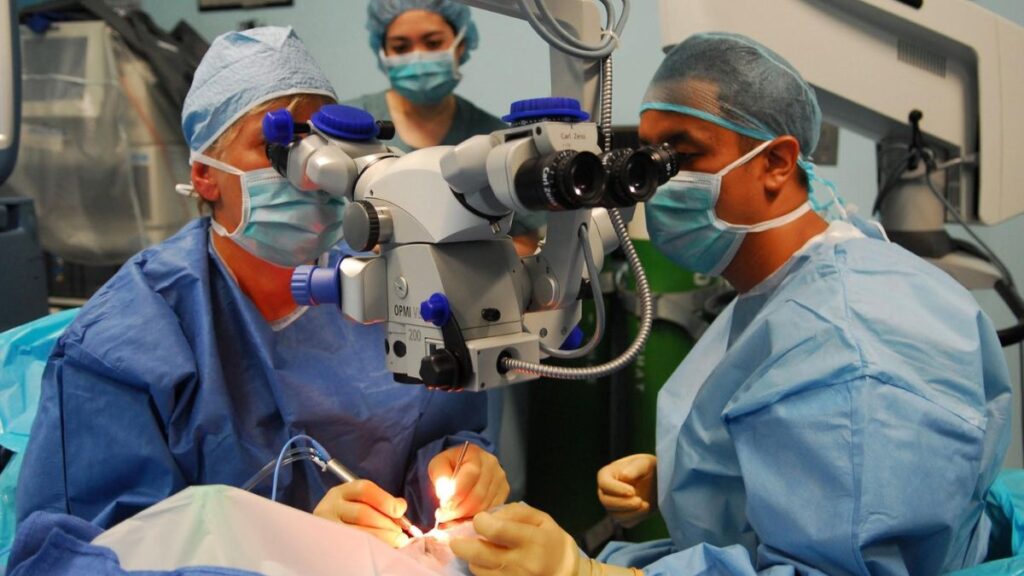
Cataracts develop when the eye’s natural lens becomes cloudy, preventing light from passing through clearly. Surgery involves removing this cloudy lens and replacing it with an artificial one. The procedure is typically quick and performed on an outpatient basis.
Advances in technology and surgical techniques have made cataract surgery one of the most successful procedures in modern medicine. Most patients experience significant improvement in vision within days or weeks.
Even with these positive outcomes, it is important to have a realistic understanding of potential complications and how they are handled.
Common Risks Associated with Cataract Surgery
While serious complications are uncommon, some mild or temporary side effects can occur. These may include redness, irritation, or sensitivity to light shortly after the procedure. In most cases, these symptoms improve as the eye heals.
There is also a small risk of infection or inflammation. These conditions are typically treatable with prescribed medications, especially when detected early through follow-up care.
For a more detailed overview of potential concerns and how they relate to vision changes, this discussion of cataract surgery risks provides helpful context about what patients may experience.
Less Common but Serious Complications
In rare cases, more serious issues can develop. These may include swelling of the retina, increased eye pressure, or problems with the placement of the artificial lens. Although uncommon, these conditions require prompt medical attention.
Another possible complication is posterior capsule opacification, where the membrane behind the artificial lens becomes cloudy over time. This can affect vision but is usually corrected with a simple laser procedure.
Understanding that these risks exist, while also recognizing their rarity, helps provide a balanced perspective.
Factors That May Influence Risk Levels
Not all patients have the same level of risk when it comes to cataract surgery. Certain health conditions, such as diabetes or pre-existing eye diseases, can increase the likelihood of complications.
The overall health of the eye plays a significant role in how well it responds to surgery. A thorough pre-surgical evaluation helps identify any factors that might require special attention.
Age, lifestyle, and adherence to post-operative care instructions also influence recovery and outcomes.
How Surgeons Minimize Risks
Modern cataract surgery techniques are designed to reduce risk as much as possible. Surgeons use precise instruments and advanced imaging to guide the procedure. This level of accuracy helps protect surrounding eye structures and improves overall safety.
Before surgery, patients undergo detailed examinations to assess eye health and determine the most appropriate approach. This preparation helps reduce the likelihood of unexpected complications.
During the procedure, sterile conditions and careful monitoring further ensure patient safety.
The Role of Patient Preparation
Patients also play an important role in minimizing risks. Following pre-surgery instructions, such as using prescribed eye drops or avoiding certain medications, helps prepare the eye for the procedure.
Open communication with healthcare providers is essential. Asking questions and discussing concerns can lead to better understanding and more personalized care. This resource on informed healthcare decisions highlights how being well-informed can support better outcomes in medical procedures.
Post-Surgery Care and Monitoring
After cataract surgery, proper care is key to a smooth recovery. Patients are usually given eye drops to prevent infection and reduce inflammation. These medications play an important role in protecting the eye during the healing process.
Follow-up appointments allow eye care professionals to monitor progress and detect any early signs of complications. Attending these visits is essential for ensuring that the eye is healing correctly.
Simple precautions, such as avoiding rubbing the eye and protecting it from dust or water, can further reduce the risk of problems.
Long-Term Outlook After Cataract Surgery
For most individuals, cataract surgery leads to long-lasting improvements in vision. The artificial lens does not develop cataracts, which means the clarity achieved after surgery is usually permanent.
However, maintaining overall eye health remains important. Regular eye exams help detect other conditions that may affect vision over time.
Healthy lifestyle choices, including proper nutrition and protection from ultraviolet light, can support long-term visual well-being.
Maintaining Healthy Vision Beyond Surgery
Eye health extends beyond a single procedure. Taking care of the eyes through regular checkups and daily habits can help preserve vision for years to come. Simple practices, such as wearing sunglasses and managing chronic health conditions, make a meaningful difference.
For additional guidance on protecting and maintaining vision, this resource from the National Eye Institute’s healthy vision guide provides clear and reliable information on everyday eye care.
Staying proactive about eye health ensures that the benefits of cataract surgery are supported over time.
Conclusion
Cataract surgery is a highly effective way to restore vision, but understanding potential risks is an important part of the process. While complications are uncommon, being informed helps patients feel more prepared and confident in their decisions.
With careful planning, skilled surgical techniques, and proper aftercare, most individuals experience a smooth recovery and improved vision. Ongoing attention to eye health helps maintain these results and supports clear vision in the years ahead.